The Great Hair Growth Debate — Natural Remedy or Clinically Proven Treatment?
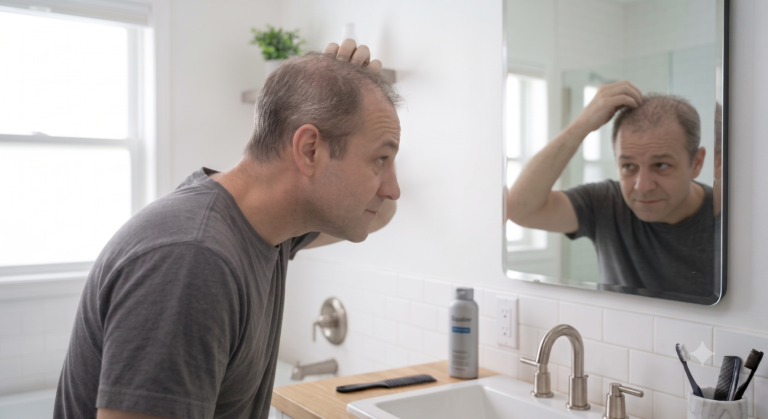
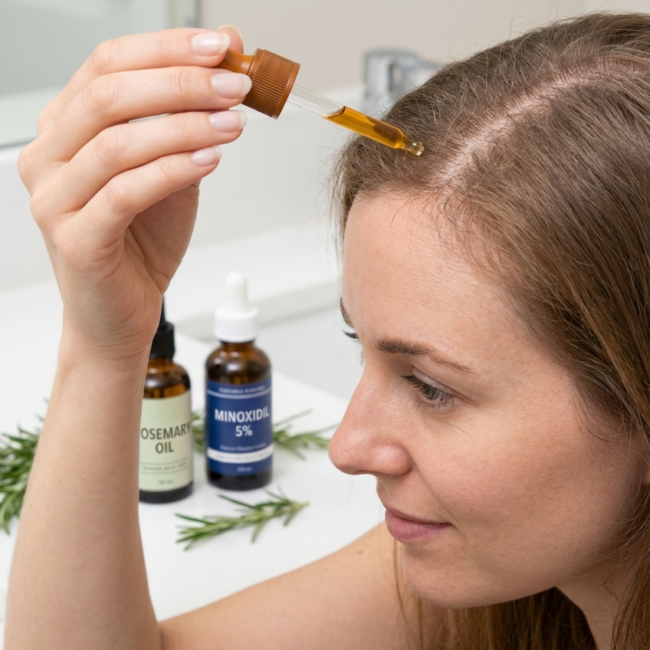
You’ve been standing in front of the mirror again. Counting strands on your brush, parting your hair a little differently to check the density, wondering when exactly things started to change. If this sounds familiar, you’re absolutely not alone — and you’ve probably already fallen down the rabbit hole of hair loss solutions. Somewhere along the way, you landed on the question everyone’s asking right now: Rosemary Oil Vs Minoxidil — which one is actually worth your time, money, and hope?
The frustrating truth is that there’s no one-size-fits-all answer. Both options have real science behind them, passionate communities swearing by each, and legitimate reasons to consider them. But they work in very different ways, suit different people, and come with very different lifestyles attached to them. So let’s break it all down honestly, warmly, and without the overwhelming medical jargon.
Whether you’re just starting to notice thinning or you’ve been on this journey for years, this guide is here to help you make a confident, informed decision — one that fits your body, your routine, and your goals.
Understanding Hair Loss First — Why This Decision Matters
Before comparing these two treatments, it helps to understand what’s actually happening when hair thins or falls out. Most hair loss — especially in men and women experiencing androgenetic alopecia (pattern hair loss) — comes down to follicle miniaturization. Over time, hair follicles shrink, produce thinner strands, and eventually stop growing altogether.
The key to effective treatment is catching this process early and choosing something that can either stimulate circulation to the scalp, block the hormones causing follicle shrinkage, or ideally — both. That’s exactly where rosemary oil and minoxidil each come into play, but through very different mechanisms.
What Is Rosemary Oil and How Does It Promote Hair Growth?
Rosemary oil is an essential oil derived from the Rosmarinus officinalis plant, and it’s been used in traditional medicine for centuries. But it’s not just folklore — modern research is starting to back it up seriously. A widely cited 2015 clinical study published in SKINmed Journal compared rosemary oil directly to 2% minoxidil over six months and found that both produced similar results in hair count improvement, with rosemary oil causing significantly less scalp itching.
Rosemary oil works primarily by improving scalp circulation and inhibiting 5-alpha reductase, the enzyme responsible for converting testosterone into DHT — the hormone most associated with follicle shrinkage. It’s also rich in anti-inflammatory and antioxidant compounds that support a healthier scalp environment overall.
- Best for: People with mild to moderate thinning
- Application: Diluted in a carrier oil (like jojoba or coconut), massaged into the scalp
- Timeline: 3–6 months for visible results
- Side effects: Minimal — possible skin sensitivity if used undiluted
💡 Expert Tip: Always dilute rosemary essential oil in a carrier oil before applying to your scalp — a ratio of 2–3 drops per teaspoon of carrier oil is ideal. Direct application can cause irritation or even contact dermatitis in sensitive individuals.
What Is Minoxidil and Why Is It So Widely Used?
Minoxidil is the most clinically studied, FDA-approved topical hair loss treatment available over the counter. Originally developed as a blood pressure medication, researchers noticed a fascinating side effect — significant hair growth. It’s now available in 2% and 5% topical solutions, as well as oral formulations prescribed by doctors.
Minoxidil works by widening blood vessels around hair follicles, increasing nutrient and oxygen delivery, and extending the anagen (growth) phase of the hair cycle. It doesn’t address DHT directly, which is why many dermatologists combine it with other treatments for more comprehensive results.
- Best for: Moderate to advanced pattern hair loss
- Application: Applied directly to the scalp twice daily (topical versions)
- Timeline: 4–6 months minimum before assessing results
- Side effects: Scalp irritation, dryness, and notably — initial shedding in the first few weeks
One important caveat: minoxidil requires continuous use. Stop using it, and the hair gained typically falls out within a few months. This is a commitment, not a cure.
👉 Internal Link: How to Use Minoxidil Correctly for Maximum Hair Growth — hairchatters.com
Rosemary Oil Vs Minoxidil: A Direct Comparison
So when you stack these two treatments side by side, here’s what the picture really looks like:
- Effectiveness: Minoxidil has more extensive clinical backing, especially for significant hair loss. Rosemary oil shows impressive results for early-stage thinning and holds its own against 2% minoxidil specifically.
- Side effects: Rosemary oil wins here — it’s gentler on the scalp with far fewer reported adverse effects.
- Cost: Rosemary oil is dramatically more affordable and widely accessible.
- Lifestyle fit: Rosemary oil integrates easily into a natural hair care routine. Minoxidil requires consistent twice-daily application and can leave residue.
- Long-term commitment: Both require sustained use — neither is a permanent fix if discontinued.
The bottom line? They’re not necessarily competitors — they can be complementary. Some people use rosemary oil as part of their scalp care routine alongside minoxidil for a more holistic approach. Always consult a dermatologist before combining treatments.
Recommended Products
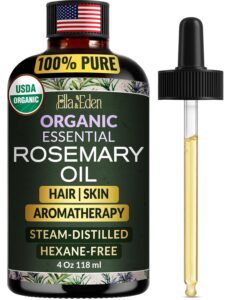
Ela and Eden Organic Essential Rosemary Oil— A fan-favorite formula that stimulate the scalp while strengthening hair from root to tip. Shop Here
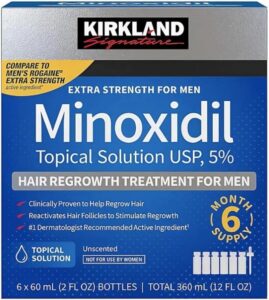
Kirkland Signature Minoxidil 5% Topical Solution — A trusted, cost-effective option for those committed to the clinical route, delivering the same active ingredient as name brands. Shop Here
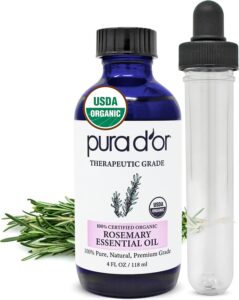
Pura D’Or Organic Rosemary Essential Oil — A pure, USDA-certified organic rosemary oil perfect for DIY scalp massage blends, offering excellent potency and quality. Shop Here
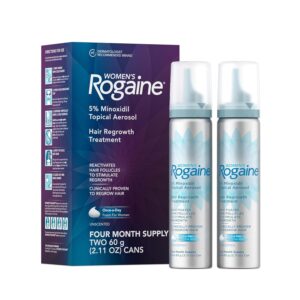
Rogaine Women’s 5% Minoxidil Foam — Specifically formulated for women experiencing thinning, this foam version is easier to apply and less likely to cause scalp greasiness. Shop Here
FAQ: Your Most Important Questions Answered
- Is rosemary oil as effective as minoxidil for hair growth?Research suggests rosemary oil can be as effective as 2% minoxidil for mild to moderate hair thinning, with the added benefit of fewer side effects. However, for more advanced hair loss, minoxidil — particularly the 5% formula — tends to show stronger clinical results. The best choice depends on the severity of your hair loss and your personal preferences.
- How long does it take to see results from rosemary oil?Most people begin to notice improvement in hair thickness and density after consistent use for three to six months. Rosemary oil needs time to stimulate follicles and improve scalp circulation, so patience and daily application are essential. Results vary depending on the underlying cause and stage of hair loss.
- Can I use rosemary oil and minoxidil together?Many people do combine rosemary oil and minoxidil as part of a layered hair growth approach, and there’s no known harmful interaction between them. It’s best to apply them at different times — for example, rosemary oil during a scalp massage in the evening and minoxidil in the morning. Always check with a dermatologist before combining treatments to ensure this approach suits your specific situation.
- What are the side effects of minoxidil I should know about?The most common side effects of topical minoxidil include scalp irritation, dryness, and an initial shedding phase in the first two to eight weeks of use. Some people also experience unwanted facial hair growth, particularly women using higher-strength formulas. Oral minoxidil carries additional considerations and should only be used under medical supervision.
- Which is better for women — rosemary oil or minoxidil?Both options can be effective for women experiencing hair thinning, but rosemary oil is often preferred as a starting point due to its gentler profile and easy integration into daily hair care. Women who need stronger intervention may benefit from 2% or 5% minoxidil, which is FDA-approved for female pattern hair loss. A trichologist or dermatologist can help determine the most appropriate treatment based on the type and severity of hair loss.
Final Thoughts — Your Hair Journey, Your Choice
There’s no shame in wanting your hair back. It’s not vanity — it’s confidence, identity, and feeling like yourself. Whether you choose the natural, gentle path of rosemary oil, the clinically proven consistency of minoxidil, or a thoughtful combination of both, what matters most is that you start somewhere and stay consistent.
Give your chosen treatment at least four to six months before evaluating results, take progress photos, and be kind to yourself along the way. Your follicles are worth the patience. And remember — the team at HairChatters is always here with honest, research-backed guidance to help you navigate every step of your hair wellness journey.
Ready to take the next step? Explore more of our expert hair care guides and find the routine that works best for you.