Why Your Hair Isn’t Growing as Fast as You’d Like — And What You Can Actually Do About It
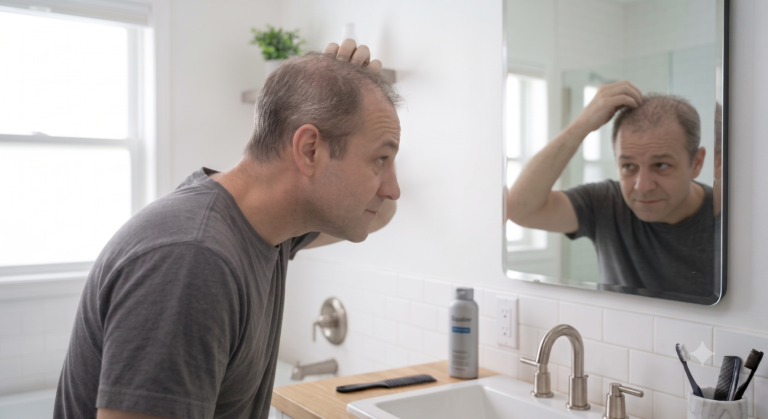
You stand in front of the mirror, measuring your hair with your fingers for what feels like the hundredth time. It seems like no matter what you try, your hair just won’t cooperate. You’re eating better, you bought the fancy shampoo, and yet — barely any progress. If this sounds familiar, you are absolutely not alone.
The truth is, figuring out how to grow hair faster isn’t just about slapping on a hair mask once a week and hoping for the best. It’s about understanding what your hair actually needs — from the inside out. And the good news? Once you know what’s really going on, the changes you can make are simpler than you might think.
You deserve hair that makes you feel confident and beautiful. So let’s dig into the real reasons your growth might be stalling, and walk through the most effective, science-backed strategies to help you finally see that progress you’ve been waiting for.
What Actually Controls How Fast Your Hair Grows?
Before we jump into solutions, it helps to understand the basics. The average person’s hair grows about half an inch per month, or roughly six inches per year. But that number isn’t fixed — it’s influenced by a whole mix of factors, some within your control and some not.
Your genetics play a role in your natural growth rate and hair texture. Hormones, particularly thyroid hormones and androgens, can significantly speed up or slow down the growth cycle. Nutritional deficiencies — especially in iron, biotin, zinc, and vitamin D — are one of the most common and overlooked reasons hair growth stalls. Stress, poor sleep, and even over-styling can also push hair follicles into a resting phase prematurely.
The hair growth cycle has three stages: anagen (active growth), catagen (transition), and telogen (resting/shedding). The goal is to keep as many strands in the anagen phase as long as possible. Most of the tips below are designed to do exactly that.
Nutrition and Supplements: Feed Your Follicles From Within
Your hair is made of keratin, a protein — so if your diet is lacking in protein, your body will actually deprioritize hair growth. Start by making sure you’re eating enough lean proteins like eggs, chicken, legumes, and fish.
Beyond protein, key nutrients for faster hair growth include:
- Biotin (Vitamin B7): Supports keratin production and is one of the most popular supplements for hair growth.
- Iron: Deficiency is strongly linked to hair loss, especially in women. A simple blood test can confirm your levels.
- Vitamin D: Low levels are associated with slowed growth cycles.
- Omega-3 fatty acids: Found in fatty fish and flaxseed, these nourish the scalp and reduce inflammation.
- Zinc: Helps with tissue repair and keeps the oil glands around follicles working properly.
💡 Expert Tip: Before investing in expensive supplements, ask your doctor to run a full nutrient panel. Targeting a specific deficiency is far more effective than taking a general hair vitamin and hoping for the best.
Scalp Health: The Foundation of Faster Growth
Think of your scalp as the soil your hair grows from. If the soil is clogged, inflamed, or dry, even the healthiest hair strand doesn’t stand a chance. Regular scalp massage — even just 4 to 5 minutes a day — has been shown in small studies to increase hair thickness by stimulating blood flow to the follicles.
Use a scalp scrub or clarifying shampoo once a week to remove buildup from dry shampoo, styling products, and sebum. Buildup can block follicles and slow growth. If you’re dealing with dandruff or scalp inflammation, an anti-dandruff shampoo containing ketoconazole or zinc pyrithione can make a noticeable difference.
👉 Internal Link: Best Scalp Care Routine for Healthy Hair Growth — hairchatters.com
Hair Care Habits That Speed Up (or Slow Down) Growth
Sometimes the biggest enemy of long hair is the way we treat it day to day. Breakage is often mistaken for slow growth — your hair might actually be growing just fine, but it’s snapping off faster than it can retain length.
Here’s what to change right now:
- Switch to a wide-tooth comb and always detangle from the ends up.
- Reduce heat styling, or always use a heat protectant spray when you do.
- Sleep on a silk or satin pillowcase to reduce friction and moisture loss overnight.
- Trim split ends every 8 to 12 weeks — this doesn’t make hair grow faster, but it prevents breakage that steals your length.
- Avoid tight hairstyles that put constant tension on the hairline — this can lead to traction alopecia over time.
Topical Treatments That Actually Work
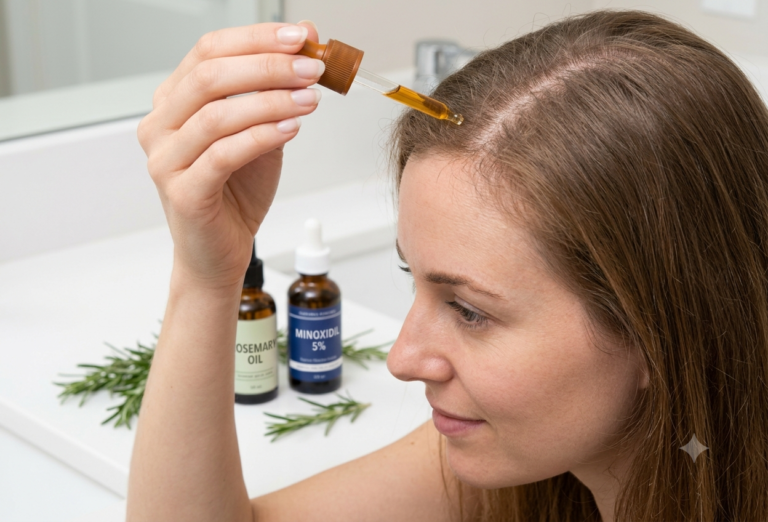
There are a few topical options with real evidence behind them. Minoxidil (available over the counter) is the most clinically proven topical treatment for stimulating growth — it works by prolonging the anagen phase. It’s available for both men and women.
Rosemary oil has emerged as a popular natural alternative, with one study comparing its effectiveness to 2% minoxidil after six months of use. Apply a few drops diluted in a carrier oil directly to the scalp and massage in.
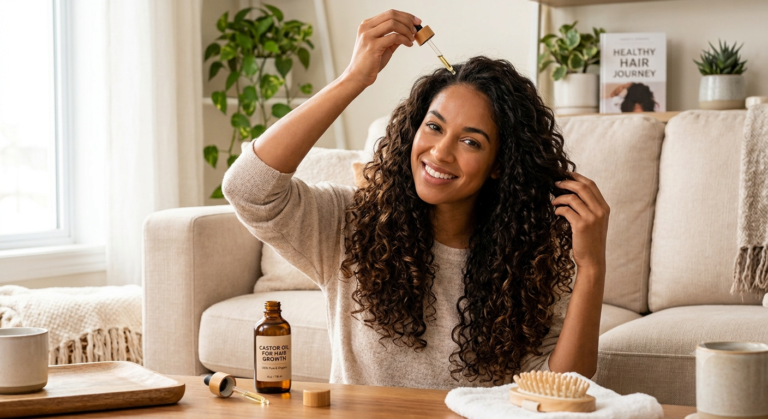
Castor oil is another favorite — rich in ricinoleic acid, it may help improve circulation and reduce scalp inflammation when used consistently.
Recommended Products
These are some of the most trusted products for supporting faster, healthier hair growth:
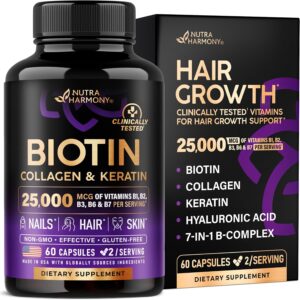
Biotin Hair Growth Supplement — A high-quality biotin supplement that supports keratin infrastructure and overall follicle health. Shop Now
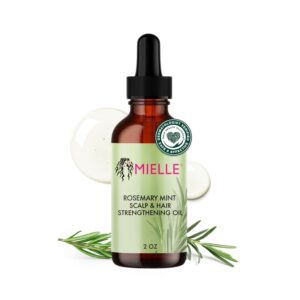
Mielle Organics Rosemary Mint Hair Oil — A lightweight scalp treatment combining rosemary and peppermint oil to stimulate circulation and encourage faster growth. Shop Now
Silk Pillowcase — Reduces overnight friction and moisture loss, helping you retain more length over time. Shop Now

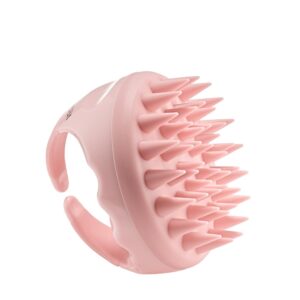
Scalp Massager Tool — A handheld silicone massager that makes your daily scalp stimulation routine quick, easy, and deeply satisfying. Shop Now
FAQ: How to Grow Hair Faster — Your Questions Answered
- How fast does hair actually grow in a month?On average, hair grows approximately half an inch, or about 1.25 centimeters, per month. This rate varies based on genetics, age, nutrition, and overall health, so some people may see slightly faster or slower growth.
- Does cutting your hair make it grow faster?Cutting your hair does not make it grow faster, because growth happens at the scalp, not the ends. However, regular trims prevent split ends from traveling up the shaft, which reduces breakage and helps you retain length more effectively.
- What vitamins help hair grow faster?The most important vitamins for faster hair growth include biotin, vitamin D, iron, zinc, and omega-3 fatty acids. Deficiencies in any of these can significantly slow the growth cycle, so getting your levels checked is a great first step.
- Does scalp massage really help hair grow faster?Yes, research suggests that regular scalp massage can increase hair thickness and stimulate growth by improving blood circulation to the follicles. Even a few minutes of daily massage using your fingertips or a scalp massager tool can make a noticeable difference over time.
- How long does it take to see results from hair growth treatments?Most hair growth treatments, whether topical or supplement-based, require consistent use for at least three to six months before visible results appear. This is because the hair growth cycle is slow, and changes happen gradually over multiple cycles.
Final Thoughts: Your Hair Growth Journey Starts Today
There’s no magic shortcut that turns short hair into long locks overnight — but there is a clear, achievable path to faster, healthier growth when you combine the right nutrition, scalp care, and gentle hair habits. The most important thing is consistency. Small, intentional changes made every day add up to real, visible results over time.
Be patient with yourself and with your hair. Every strand you nurture is a step toward the length and fullness you’re working toward. You’ve got this — and HairChatters is here to help you every step of the way.
Have a hair growth tip that’s worked for you? Drop it in the comments below — we’d love to hear what’s making a difference in your routine. And if you found this helpful, share it with a friend who’s on their own hair journey!