Building a Curly Hair Routine That Actually Works for Your Unique Curl Pattern
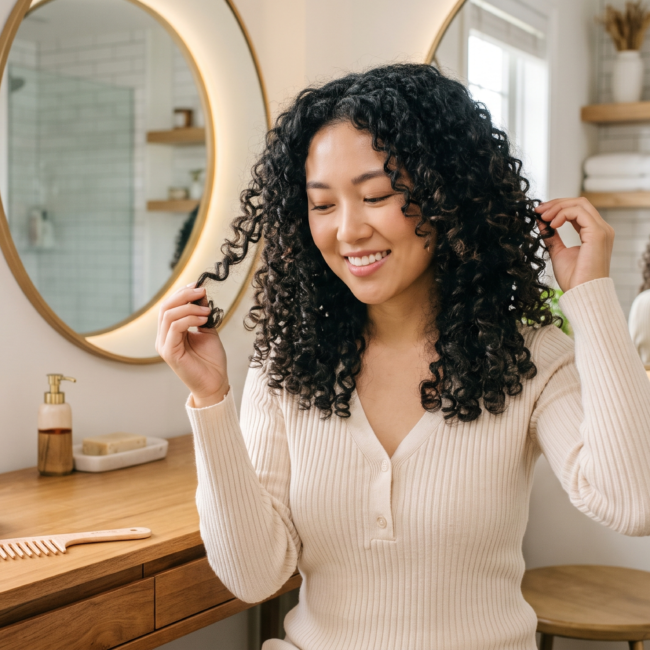
If you’ve ever stood in front of the mirror, soaking wet, wondering why your curls looked amazing yesterday and completely defeated today — you’re not alone. The truth is, curly hair doesn’t follow the same rules as straight hair, and the products and habits designed for straight strands can quietly wreak havoc on your spirals. A solid Curly Hair Routine isn’t just about buying the right products — it’s about understanding what your curls actually need.
The frustration is real. You’ve probably tried the drugstore curl creams, the DIY deep conditioning masks, maybe even the no-poo method after watching twelve YouTube tutorials. Some days it clicks. Most days, you’re fighting frizz, undefined clumps, or hair that feels crunchy instead of bouncy. That’s not a failure — that’s a signal that your routine needs a little recalibration.
Here’s the good news: curly hair is incredibly responsive when you give it what it’s craving. Moisture, gentle handling, and the right techniques can completely transform your results. Let’s walk through everything you need to know to build a routine that works with your curls, not against them.
Understanding Curly Hair: Why It Behaves Differently
Curly hair has a naturally elliptical follicle shape, which causes the strand to grow in a spiral or wave pattern. This shape also means the natural oils produced at your scalp have a much harder time traveling down the length of the hair shaft — which is why curly hair tends to be drier and more prone to frizz than straight hair.
There are also several key factors that influence how your curls behave day to day:
- Porosity: Whether your hair absorbs moisture quickly (high porosity) or repels it (low porosity) dramatically affects which products work best for you.
- Curl type: From loose waves (2A–2C) to tight coils (4A–4C), different patterns have different hydration and styling needs.
- Density and thickness: Fine curly hair weighs down easily, while coarse, dense hair may need heavier butters and creams to feel moisturized.
- Climate and environment: Humidity, hard water, and seasonal changes all impact how your curls respond on any given day.
💡 Expert Tip: Before investing in a full product lineup, do a simple porosity test at home — drop a clean strand of hair into a glass of water. If it sinks quickly, you likely have high porosity hair and need sealing products like oils and butters. If it floats, you have low porosity hair and need lightweight, heat-activated moisture.
The Core Steps of a Curly Hair Routine Broken Down by Curl Type
For Wavy Hair (2A–2C)
Wavy hair sits in a beautiful middle ground — not quite straight, not quite curly — and it’s easily weighed down. Focus on lightweight hydration and minimal product layering. A gentle sulfate-free cleanser, a light conditioner, and a curl-enhancing mousse or gel are usually all you need. Scrunch out the crunch after your hair dries for soft, defined waves.
For Curly Hair (3A–3C)
This curl range benefits most from the classic Leave-In, Cream, Gel method (sometimes called the LCG method). Apply products to soaking-wet hair in sections, use a microfiber towel or cotton T-shirt to gently scrunch out excess water, and allow hair to air dry or use a diffuser on low heat. Deep conditioning once a week is non-negotiable for this curl type.
For Coily and Kinky Hair (4A–4C)
Tightly coiled hair is the most fragile and the most prone to moisture loss. Prioritize rich, emollient products — shea butter, avocado oil, and castor oil are your best friends. The LOC method (Liquid, Oil, Cream) works exceptionally well for sealing moisture into the hair shaft. Protective styles between wash days also help retain length and reduce breakage.
👉 Internal Link: Check out our full guide on the LOC Method vs. LCO Method for Coily Hair on hairchatters.com
Wash Day: The Foundation of Every Great Curl Routine
Wash day sets the tone for everything that follows. Start by detangling gently with your fingers or a wide-tooth comb while your hair is still coated with conditioner — never on dry hair. Use a sulfate-free shampoo to cleanse your scalp without stripping natural oils, or co-wash (conditioner wash) between shampoo days if your hair is very dry.
After rinsing, apply your leave-in conditioner immediately while hair is dripping wet. This is sometimes called the “soaking wet method” and it’s a game-changer for definition and moisture retention. Follow with your styling products, always working section by section for even coverage.
Refreshing Curls Between Wash Days
You don’t need to wash your hair every day — in fact, over-washing can strip curls of the moisture they need to stay defined. A good refresh routine on days two through four can extend your style beautifully. Mix a small amount of leave-in conditioner with water in a spray bottle, lightly mist your curls, scrunch gently, and let them re-dry. A tiny amount of curl cream or gel can help revive flatness at the roots.
Recommended Products
Every curl journey is personal, but these product categories are widely beloved in the curly hair community for good reason:
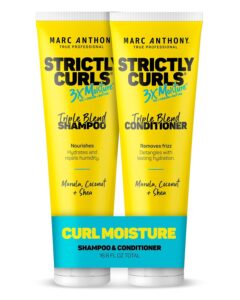
Marc Anthony Strictly Curls 3x Shampoo and Conditioner—Gently cleanses the scalp without stripping natural oils, keeping curls moisturized from the very first step. Shop here
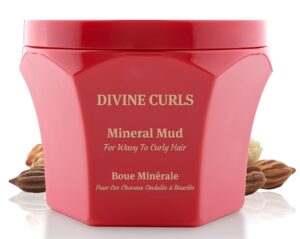
Saphira Divine Curls Mud Hair Mask — Improves the health of curls and treats those that are moisture deprived; adds strength, definition, and softness. Shop here
Bumble & Bumble Curl Defining Styling Cream — A curl cream that reduces frizz, leaves hair shiny, and provides soft hold. Shop here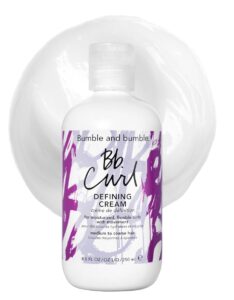
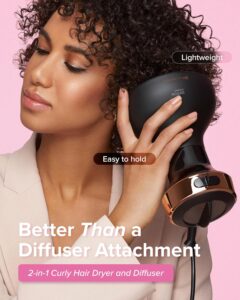
Bellissima Diffon Ceramic Diffuser Hair Dryer for Curly Hair — Distributes heat evenly to dry curls gently without disrupting the curl pattern or causing frizz. Shop here
FAQ: Your Curly Hair Routine Questions Answered
- How often should I wash my curly hair?
Most people with curly hair benefit from washing once or twice a week rather than daily. Washing too frequently strips the natural oils that curly hair desperately needs to stay moisturized and defined. Co-washing with conditioner between shampoo days can help maintain hydration without over-cleansing.
- What is the best way to define curls without frizz?
The best way to define curls and reduce frizz is to apply styling products to completely soaking-wet hair, working in sections from the bottom up. Using a microfiber towel or cotton T-shirt to scrunch out excess water — instead of a regular terrycloth towel — significantly reduces friction-related frizz. Sealing with a light oil after styling also helps lock in moisture and smooth the cuticle.
- Is the Curly Girl Method good for all curl types?
The Curly Girl Method is a helpful starting framework for most curl types, but it doesn’t work identically for everyone. Some people with fine wavy hair find it makes their hair limp and greasy, while those with coily hair may need heavier products than the method typically recommends. Use it as a guide, then adjust based on how your specific hair responds.
- How do I keep my curls moisturized in dry weather?
In dry or cold weather, layer your products using the LOC or LCG method to seal moisture into the hair shaft before it can escape. Using a satin or silk pillowcase at night and sleeping in a loose pineapple or bun also helps preserve moisture while you sleep. Adding a humectant ingredient like glycerin or aloe vera to your routine can help attract and retain moisture in the air.
- Why do my curls look different every day?
Curl inconsistency from day to day is usually caused by changes in humidity, water quality, product buildup, or how thoroughly products were applied on wash day. Curly hair is highly sensitive to its environment, so small shifts in temperature or moisture in the air can dramatically change how curls behave. Keeping a consistent routine and doing regular clarifying washes to remove buildup can help create more predictable results.
Final Thoughts: Your Curls Deserve a Routine That Loves Them Back
Building a routine for curly hair is less about finding one magic product and more about learning the language your curls speak. It takes a little patience, a little experimentation, and a whole lot of self-compassion on the bad hair days. But once you understand your curl type, your porosity, and what your hair is actually asking for — the results can be genuinely stunning.
Start simple. Pick one thing to change this week — maybe switching to a sulfate-free shampoo or trying the soaking-wet styling method — and see how your curls respond. Small, consistent changes add up to big transformations over time. You’ve got this, and your curls are absolutely worth the effort.
Have questions about your specific curl type or routine? Drop them in the comments or explore more curl guides right here on HairChatters.com — we’re here to help you have your best hair days yet.