The Ancient Secret to Thicker, Fuller Hair That’s Making a Comeback
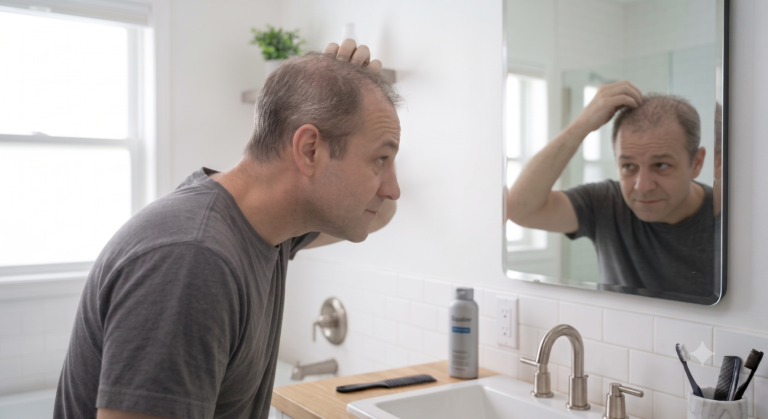
You’ve probably stood in front of the mirror more than once, running your fingers through thinning strands and wondering if anything will actually help. Maybe you’ve tried the serums, the supplements, the scalp massages — and still feel like you’re fighting a losing battle. If that sounds familiar, you’re not alone, and you’re definitely in the right place.
Castor oil for hair growth has been whispered about in grandmothers’ kitchens and beauty communities for centuries — and lately, it’s having a very loud moment. Indeed, with more people turning away from chemical-heavy treatments and looking for natural, gentle alternatives, this thick golden oil is suddenly everywhere. But does it live up to the hype?
The honest answer? It genuinely can — when you understand what it does, how it works, and how to use it in a way that actually suits your hair type. So let’s break it all down together, without the fluff or the false promises.
What Makes Castor Oil So Powerful for Hair?
Castor oil is pressed from the seeds of the Ricinus communis plant, and what sets it apart from other oils is its unusually high concentration of ricinoleic acid — a rare omega-9 fatty acid that makes up roughly 90% of its composition. This is the compound researchers believe is responsible for most of its hair and scalp benefits.
Specifically, ricinoleic acid has been studied for its anti-inflammatory and antimicrobial properties, which means it can help calm an irritated scalp, reduce dandruff-related buildup, and create a healthier environment for hair follicles to thrive. Healthy follicles equal better hair — it really is that simple at the root level (pun intended).
Beyond ricinoleic acid, castor oil is also rich in vitamin E, proteins, and minerals that nourish both the scalp and existing hair strands. It helps seal moisture into the hair shaft, which reduces breakage — and less breakage means your hair appears to grow longer and fuller over time.
Understanding the Different Types of Castor Oil
Not all castor oil is created equal, and choosing the right one for your goals matters more than most people realize.
- Cold-Pressed Castor Oil: The most natural form, pale yellow in color. Best for general scalp health and moisture retention. Gentle enough for regular use.
- Jamaican Black Castor Oil (JBCO): Made from roasted castor beans, giving it a darker color and earthy scent. Widely beloved in the natural hair community for stimulating thicker, stronger regrowth — especially in areas of thinning.
- Hydrogenated Castor Oil: A solid form used more in cosmetics than hair treatments. Not ideal for scalp application.
For most people focused on growth and thickness, Jamaican Black Castor Oil tends to deliver the most noticeable results—but cold-pressed is a wonderful option if you have a sensitive scalp.
 Expert Tip: Always do a patch test before applying castor oil to your scalp. While reactions are rare, castor oil is potent — apply a small amount to your inner wrist 24 hours before full application to make sure your skin tolerates it well.
How to Use Castor Oil for Hair Growth Effectively
The biggest mistake people make is slathering castor oil on without a method. Because it’s so thick and viscous, it needs a little strategy to actually penetrate the scalp rather than just sit on top of it.
Here’s what works:
- Dilute it first. Mix castor oil with a lighter carrier oil like coconut oil, argan oil, or jojoba oil in a 1:1 ratio. This improves spreadability and absorption without diminishing the benefits.
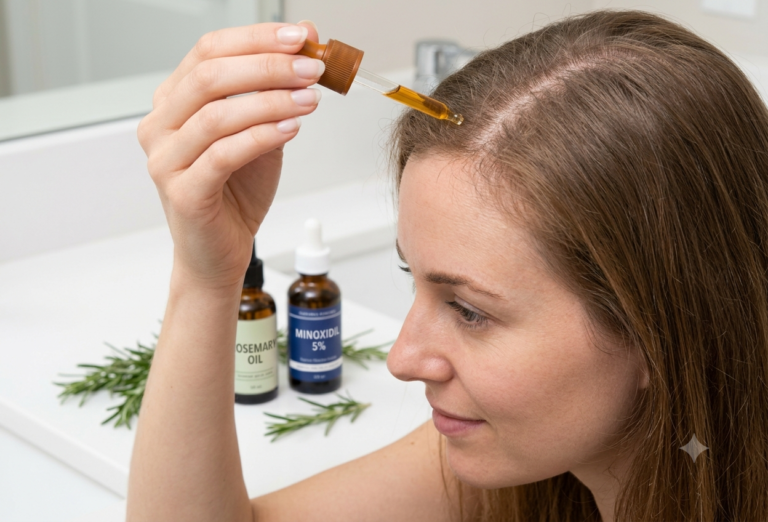
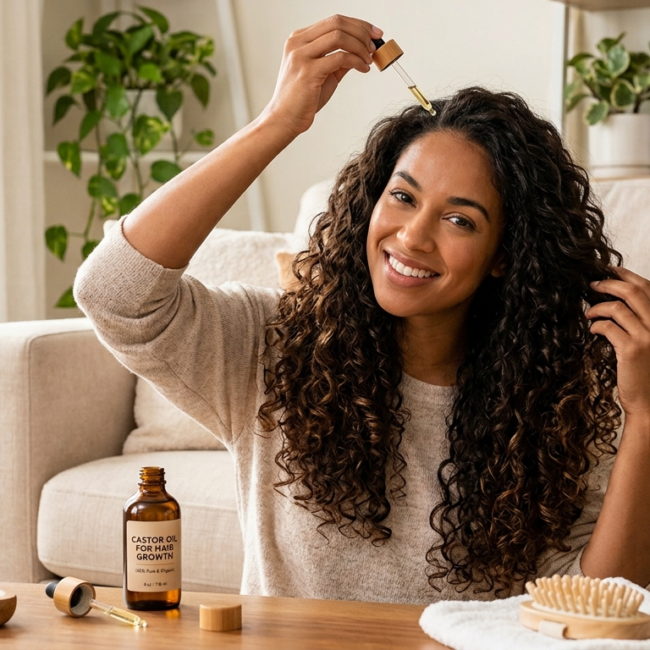
- Apply directly to the scalp. Use a dropper bottle or your fingertips to apply the blend to your scalp in sections. Focus on areas of thinning or slow growth.
- Massage for at least 5 minutes. A proper scalp massage increases blood circulation to the follicles, amplifying castor oil’s stimulating effects.
- Leave it on for 1-2 hours (or overnight with a shower cap). The longer contact time lets the nutrients absorb more deeply.
- Shampoo thoroughly. Castor oil can be tricky to wash out — you may need two rounds of shampoo. Using a clarifying shampoo once a week keeps buildup at bay.
Aim to repeat this treatment once or twice per week for at least 8-12 weeks before evaluating results. Hair growth is a slow process, and consistency is everything.
 Internal Link: How to Do a Scalp Massage for Hair Growth — hairchatters.com
Who Benefits Most From Castor Oil Treatments?
Castor oil tends to work especially well for people dealing with slow hair growth, thinning edges, postpartum shedding, or a dry and flaky scalp. It’s also a game-changer for those with 4C and coily hair types who struggle with moisture retention and breakage.
If your hair loss is driven by a medical condition like alopecia areata or hormonal imbalances, castor oil alone won’t resolve the underlying cause — but it can absolutely support scalp health as part of a broader routine. Always loop in a dermatologist if you’re experiencing significant or sudden hair loss.
Recommended Products
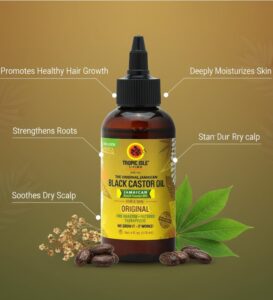
Tropic Isle Living Jamaican Black Castor Oil — A cult favorite known for its authentic roasting process that maximizes ricinoleic acid potency for scalp stimulation and thicker growth.
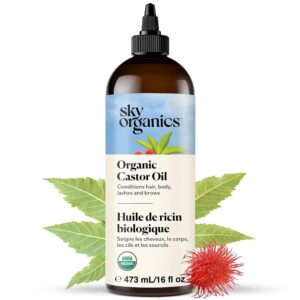
Sky Organics Cold-Pressed Castor Oil — USDA-certified organic and hexane-free, this cold-pressed option is perfect for sensitive scalps that need gentle daily nourishment. Shop Here
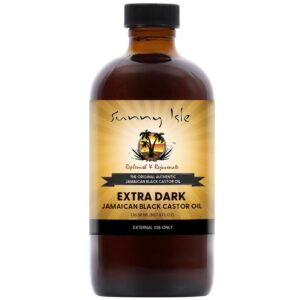
Sunny Isle Extra Dark Jamaican Black Castor Oil — Especially loved for restoring thinning edges and brows, with a slightly thicker consistency ideal for targeted application. Shop Here
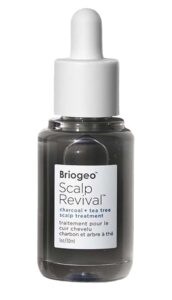
Briogeo Scalp Revival Charcoal + Tea Tree Scalp Treatment — A great companion product to castor oil treatments, this clarifying scalp serum helps remove buildup so your follicles stay clear and receptive to nourishing oils. Shop Here
Frequently Asked Questions About Castor Oil for Hair
- How long does it take for castor oil to grow hair?Most people notice visible improvements in hair thickness and scalp health after 8 to 12 weeks of consistent weekly use. Hair grows approximately half an inch per month on average, so patience and routine are essential for seeing real results with castor oil treatments.
- Can I leave castor oil in my hair overnight?Yes, leaving castor oil in your hair overnight is safe and actually more effective than short treatments. Simply apply it to your scalp, cover with a shower cap or satin bonnet, and wash it out thoroughly in the morning using a gentle shampoo.
- Does castor oil work for thinning edges?Castor oil is one of the most popular natural remedies for restoring thinning edges, largely due to its ricinoleic acid content which supports follicle health and circulation. Apply a small amount with your fingertip nightly to the hairline and be consistent for at least 2-3 months to see noticeable regrowth.
- Is castor oil good for all hair types?Castor oil benefits all hair types, but works especially well for dry, coily, and low-porosity hair because of its intense moisturizing properties. Those with fine or oily hair should use it sparingly and always diluted to avoid weighing strands down or causing buildup.
- What is the difference between regular castor oil and Jamaican Black Castor Oil?Regular cold-pressed castor oil is pale yellow and minimally processed, making it gentle and great for everyday moisture. Jamaican Black Castor Oil is made from roasted castor beans, giving it a higher ash content that many users find more effective for stimulating new growth and strengthening thinning hair.
Final Thoughts: Your Hair Journey Deserves Patience and the Right Tools
If there’s one thing worth taking away from all of this, it’s that your hair can absolutely grow thicker and healthier — but it takes time, consistency, and the right support. Castor oil isn’t a miracle in a bottle, but it is a remarkably well-rounded natural tool that’s earned its place in serious hair care routines around the world.
Start simple: pick a quality oil, dilute it, massage it in, and commit to the process. Your scalp will thank you, your edges will thank you, and a few months from now, you might just find yourself standing in front of that mirror with a very different feeling about what you see.
We’d love to hear how it goes — drop your experience in the comments or explore more hair growth tips right here at www.hairchatters.com. You’ve got this.