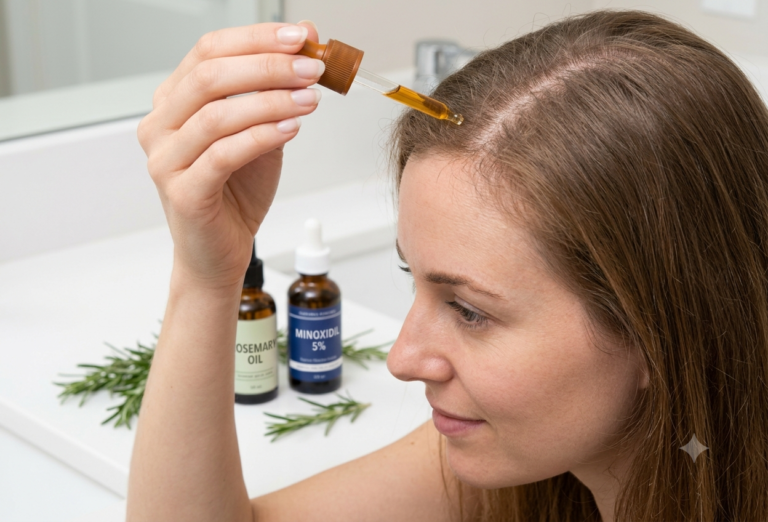
Understanding Male Hair Loss — and Why the Right Treatment Changes Everything
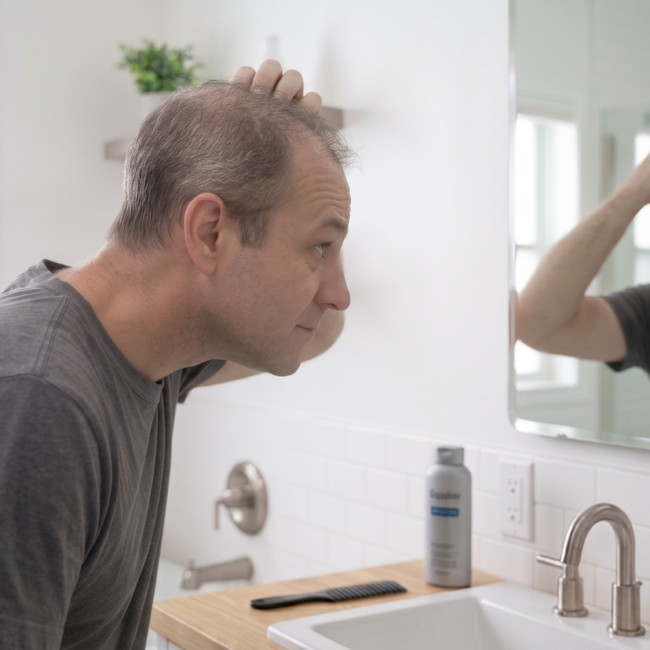
There’s a moment most men remember. Maybe it was a harsh bathroom light, a photo someone tagged you in, or just running your hand through your hair and noticing how much came with it. However it happened, realizing you’re losing your hair can feel like losing something deeply personal—something tied to how you see yourself in the mirror every morning. Knowing how to choose the best hair loss treatments for men is often the first step toward understanding your options and taking back control with confidence.
You’re not alone in this. Millions of men experience some degree of hair thinning or baldness, and the emotional weight of it is real — even if people don’t always talk about it openly. The good news? The world of hair loss treatments for men has never been more advanced, more accessible, or more effective than it is right now.
This isn’t about chasing miracles. It’s about understanding what’s actually happening with your hair, what science says works, and how to build a realistic plan that fits your life. Let’s get into it — no fluff, no false promises.
Why Men Lose Their Hair: The Root of the Problem
Before jumping to solutions, it helps to understand what you’re actually dealing with. The most common culprit is androgenetic alopecia — better known as male pattern baldness. This condition is driven by a hormone called DHT (dihydrotestosterone), a byproduct of testosterone that shrinks hair follicles over time until they stop producing hair altogether.
(Learn more about male pattern hair loss and available treatment options from the American Academy of Dermatology)
Your genetics play a massive role here. If the men on either side of your family thinned out early, you’re more likely to follow suit. But genetics aren’t the only factor. Other causes of male hair loss include:
- Telogen effluvium — stress-related shedding that can be temporary
- Nutritional deficiencies — especially iron, zinc, and biotin
- Thyroid disorders — hormonal imbalances that disrupt the hair cycle
- Scalp conditions — like seborrheic dermatitis or fungal infections
- Certain medications — including blood thinners and antidepressants
Identifying the cause matters because it shapes the treatment. A dermatologist or trichologist can help pinpoint what’s really going on before you spend money on the wrong solution.
💡 Expert Tip: If your hair loss came on suddenly or in patches, see a doctor before starting any treatment. Sudden shedding is often reversible once the underlying cause is addressed — catching it early makes all the difference.
Clinically Proven Hair Loss Treatments for Men
Let’s talk about the options that have real evidence behind them — not marketing hype. There’s a spectrum here, from over-the-counter products to prescription medications and medical procedures.
Minoxidil (Rogaine)
Minoxidil is the most widely used topical treatment for male hair loss. Available over the counter in 2% and 5% formulas, it works by widening blood vessels around the follicle and extending the hair growth phase. Most men see results within three to six months of consistent use. It won’t restore a fully bald scalp, but it’s excellent at slowing progression and thickening existing hair.
Finasteride (Propecia)
Finasteride is a prescription oral medication that directly blocks the conversion of testosterone into DHT. Clinical studies show it slows hair loss in around 83% of men and promotes regrowth in many. It requires a prescription and a conversation with your doctor about potential side effects, but it remains one of the most effective pharmaceutical options available.
Low-Level Laser Therapy (LLLT)
Devices like laser combs and caps use red light therapy to stimulate follicle activity at a cellular level. It’s non-invasive, painless, and increasingly supported by clinical research. Results are gradual, but many men use it as a complement to other treatments for a well-rounded approach.
Hair Transplant Surgery
For men who want a permanent solution, FUE (Follicular Unit Extraction) and FUT (Follicular Unit Transplantation) procedures move healthy follicles from the back of the scalp to thinning areas. Modern techniques produce incredibly natural-looking results. It’s a significant investment — both financially and in recovery time — but for many men, it’s life-changing.
👉 Internal Link: Explore our full guide on the differences between FUE and FUT hair transplants on hairchatters.com
Natural and Lifestyle-Based Approaches
Prescription treatments aren’t for everyone, and that’s completely valid. There are meaningful steps you can take through lifestyle and scalp care that support healthier hair from the inside out.
- Scalp massage — Regular massage increases blood circulation to follicles and has shown measurable improvement in hair thickness in small studies
- Nutrition — A diet rich in protein, omega-3 fatty acids, and iron supports the hair growth cycle
- Stress management — Chronic stress elevates cortisol, which can push follicles into a resting phase prematurely
- DHT-blocking shampoos — Ingredients like saw palmetto and ketoconazole can reduce scalp DHT when used consistently
These approaches work best as part of a broader strategy, not as standalone fixes for significant loss — but they’re worth building into your daily routine regardless.
Recommended Products
Here are a few well-regarded products worth looking into as part of your hair care routine:
Rogain 5% Minoxidil Topical Foam — A trusted, cost-effective topical minoxidil formula that delivers consistent results for men battling early-to-moderate hair thinning. Shop here
NIZORAL ANTI-DANDRUFF SHAMPOO — Contains ketoconazole, which helps reduce scalp DHT levels and supports a healthier environment for hair growth. Shop here
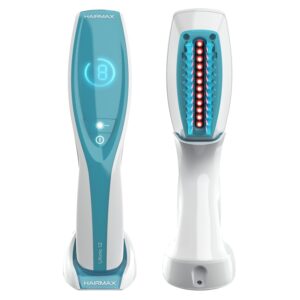
HAIRMAX ULTIMA 12 LASER COMB — An FDA-cleared low-level laser device that stimulates follicles and pairs well with topical treatments for a multi-angle approach. Shop here
NUTRAFOL MEN HAIR GROWTH SUPPLEMENT — A clinically studied supplement targeting stress, DHT, and nutritional gaps that often contribute to male hair thinning. Shop here

Frequently Asked Questions About How to Choose the Best Hair Loss Treatments for men
- What is the most effective hair loss treatment for men?The most effective treatments for male hair loss are finasteride and minoxidil, especially when used together. Clinical studies show finasteride reduces DHT production and slows loss in most men, while minoxidil stimulates blood flow to follicles to encourage regrowth. For permanent results, hair transplant surgery is considered the gold standard.
- How long does it take for hair loss treatments to work?Most hair loss treatments for men take between three and six months to show noticeable results. Minoxidil and finasteride both require consistent daily use during this period before regrowth or stabilization becomes visible. Patience is essential — stopping treatment too early is the most common reason men don’t see results.
- Can stress cause hair loss in men?Yes, stress can absolutely cause hair loss in men through a condition called telogen effluvium, where high cortisol levels push hair follicles into a premature resting phase. The good news is this type of shedding is usually temporary and reverses once stress levels are managed. Chronic stress combined with genetic predisposition, however, can accelerate male pattern baldness.
- Are there natural hair loss treatments that actually work for men?Some natural approaches show genuine promise, including scalp massage, saw palmetto supplements, and ketoconazole shampoos, which can mildly reduce DHT at the scalp level. These methods work best for early-stage thinning or as complementary support alongside proven clinical treatments. They are not typically sufficient as standalone solutions for significant androgenetic alopecia.
- Is hair loss treatment permanent, or do you have to keep using it?Most non-surgical hair loss treatments require ongoing use to maintain results — if you stop taking finasteride or using minoxidil, hair loss typically resumes within six to twelve months. Hair transplant surgery is the only option that offers a genuinely permanent solution, as transplanted follicles are resistant to DHT. Building a long-term routine is key to sustained success with medical treatments.
Final Thoughts: Your Hair, Your Timeline, Your Choice
Hair loss is deeply personal, and so is the decision about how — or whether — to address it. Some men embrace the change and wear it well. Others want to fight for every follicle. Both choices are valid. What matters most is that you feel informed, empowered, and in control of the decision you make.
Whether you’re just noticing early thinning or you’ve been watching it progress for years, the range of proven, accessible options available today means there’s likely something that fits your goals, your budget, and your lifestyle. Start with a conversation with your doctor, do your research, and be patient with the process.
At HairChatters, we’re here to help you navigate it all — from product reviews and treatment breakdowns to honest conversations about what it really means to take care of your hair. You’ve got this. Explore more of our guides, drop a question in the comments, or reach out — we’d love to help you find your path forward.